
and buying can be an unfamiliar process, yet all buyers should understand its purchase process. Whether they plan to build their dream home on it, or invest in it as an asset for future gains, understanding how the purchase should proceed is key. Our three-step guide for purchasing land will walk you through this journey while offering helpful tips and advice.
As part of the first step to purchasing land, you must assess your finances to ensure you can afford it. While paying cash may be ideal, if that isn’t an option, financing should be set up before buying any vacant land – lenders tend to view vacant land as more risky investments, therefore charging higher rates than for an already constructed home.
Next, investigate the zoning on any property under consideration. Find out whether zoning allows for residential, commercial, or agricultural uses and what structures are permitted – for this information, contact local city or county planning departments.
A great starting point is https://publicrecords.netronline.com/, a Public Records Online Directory for retrieving available public records. Examples of records that can be accessed include deeds, mortgages, assessment data, tax details, and parcel maps.
Understanding if the land has any environmental issues that could lower its value is also important; for instance, wetlands on a property can limit what can or cannot be built there and may incur fees for mitigation services.
The final step should involve hiring an expert to comprehensively inspect the land you’re considering, including conducting soil tests and surveying property boundaries. An inspector can give information about zoning restrictions or provide any other data that could assist you in making an informed decision as to whether this land fits your needs.
nce you’ve researched and done all the necessary paperwork for making an offer, you must be ready to give a down payment (if financing) or prepare to pay the full cash amount. Don’t forget to account for closing costs.
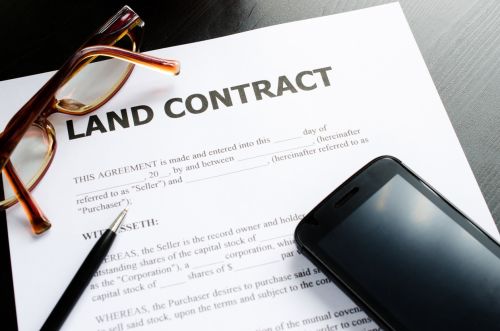
Assuming the seller has accepted your offer, you will sign a purchase and sales agreement or contract to cover everything from price, financing details, and contingencies (such as environmental tests or permits). Should any questions arise during this process, it would be beneficial to seek assistance from an experienced land retailer, broker or real estate agent, as this will make the sale much less cumbersome and time-consuming – saving money and effort along the way!
